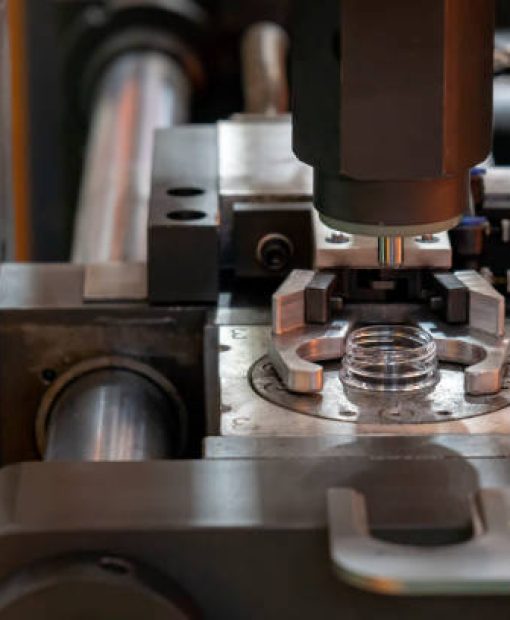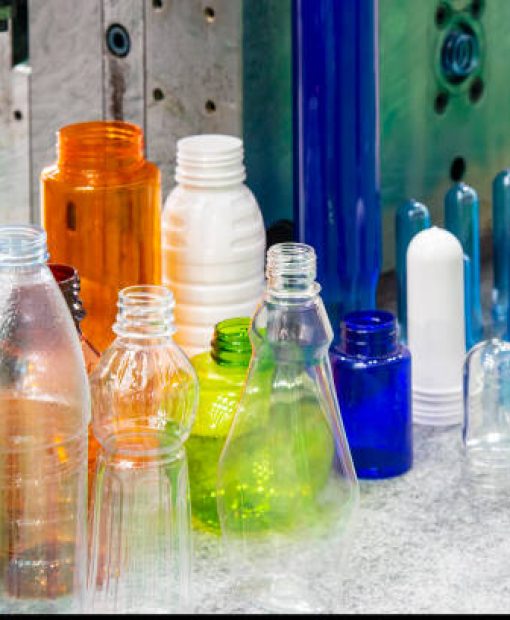

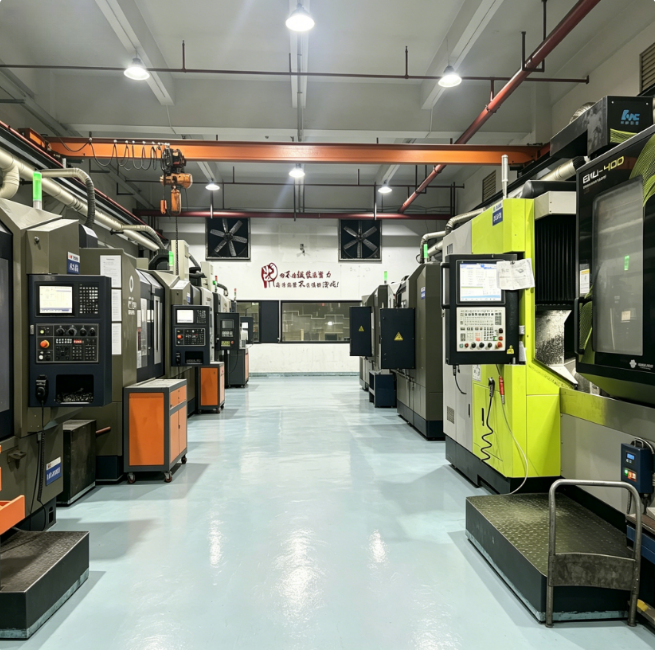
Turning a creative concept into a production-ready component requires precise engineering. Experienced plastic injection mold companies connect product design with manufacturable mold structures. Therefore, they evaluate geometry, material selection, dimensional requirements, and production targets early. WISHMOULDS provides customized injection mold solutions, from design analysis to trial molding. Moreover, our team supports single-color molds, two-color molds, hot runner systems, and complex plastic components. This integrated approach helps customers develop tooling for consistent and efficient mass production.

How Can Custom Designs Become Manufacturable Mold Structures?
Complex product concepts often involve thin walls, deep cavities, or intricate surface details. Consequently, the original design may need engineering adjustments before mold manufacturing begins. These adjustments help balance product appearance, structural requirements, and molding feasibility.
WISHMOULDS starts with design evaluation and Design for Manufacturability (DFM) analysis. Our engineers review product geometry, parting lines, draft angles, and potential undercuts. Additionally, they assess gate positions and ejection arrangements. This process helps identify potential production challenges before machining begins.
How Does DFM Analysis Improve Mold Design?
DFM analysis helps engineers evaluate how molten plastic fills and solidifies inside the mold. For example, wall thickness and gate placement influence filling behavior. Meanwhile, cooling arrangements affect cycle time and dimensional stability.
Therefore, early engineering discussions can reduce unnecessary design revisions. WISHMOULDS works with customers to refine mold structures around their product requirements. As a result, custom designs gain a clearer path toward practical manufacturing.
Which Mold Materials Support Long-Term Production?
Mold steel selection influences durability, machining requirements, and maintenance planning. Therefore, material choice should reflect the application, production volume, and plastic resin.
WISHMOULDS uses premium mold steels, including H718 and S136. These materials support different tooling requirements. Furthermore, our engineers consider component geometry and expected production conditions when developing mold solutions.
How Do CNC Machining and EDM Improve Precision?
CNC machining creates mold cavities and structural features with controlled dimensions. Meanwhile, electrical discharge machining (EDM) supports intricate geometries and detailed surface features. Wire cutting also helps produce precise profiles in suitable mold components.
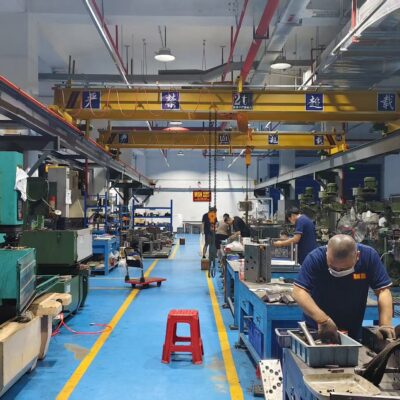
After machining, our team assembles the mold and checks component alignment. Consequently, accurate manufacturing supports consistent parting surfaces and reliable mold operation. These processes also help address complex shapes found in automotive interiors, electronics, and appliance components.
Can the Mold Design Support Efficient Mass Production?
Production efficiency depends on more than dimensional accuracy. Mold configuration, cavity layout, runner design, and cooling performance also influence output. Therefore, plastic injection mold companies should align tooling architecture with the customer’s production goals.
WISHMOULDS offers single-color molds, two-color molds, and hot runner solutions. For example, two-color tooling supports components with multiple material or color regions. Meanwhile, hot runner systems can suit applications requiring specific material delivery and production arrangements.
How Does Trial Molding Validate the Design?
After assembly, WISHMOULDS conducts mold trials to assess molding performance. Engineers examine sample dimensions, appearance, and molding behavior. They then adjust relevant mold details and processing parameters as needed.
This optimization stage helps resolve issues before production release. Moreover, sample evaluation lets customers review whether components meet agreed requirements. Consequently, the final tooling can move toward production with greater confidence.
Which Industries Benefit from Custom Injection Molds?
Different industries require different combinations of appearance, fit, and functionality. Therefore, customized tooling helps manufacturers address application-specific product requirements.
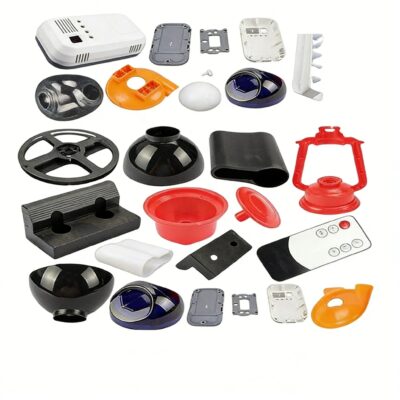
For home appliances, WISHMOULDS develops molds for housings, covers, and structural components. Automotive applications include interior trims, decorative panels, and functional plastic parts. Additionally, electronics and communication products may require intricate enclosures and connector-related components.
These applications demand careful coordination between product design and tooling. Accordingly, our team adapts mold structures to the component’s geometry and production objectives. This flexibility supports both specialized designs and repeat manufacturing programs.
Explore Our Custom Injection Mold Solutions to discover tooling options for different industries.
What Makes WISHMOULDS a Practical Manufacturing Partner?
A reliable mold project needs coordinated engineering, machining, validation, and delivery. WISHMOULDS connects these stages through an integrated manufacturing workflow. Furthermore, our team supports customers from initial concepts through final mold optimization.
Our stated mold service life reaches approximately 300,000 to 500,000 or more cycles, depending on the configuration. Actual service life depends on steel selection, resin characteristics, operating conditions, and maintenance. Therefore, we align tooling specifications with the intended production program.
|
Evaluation Item |
WISHMOULDS Capabilities | Production Benefit |
|---|---|---|
|
Mold types |
Single-color, two-color, and hot runner |
Supports varied component designs |
|
Mold steel |
H718 and S136 |
Accommodates different tooling requirements |
|
Machining |
CNC, EDM, and wire cutting |
Supports precise and complex features |
|
Engineering |
DFM analysis and mold design |
Identifies potential design issues early |
|
Validation |
Trial molding and optimization |
Helps verify component quality |
|
Typical mold life |
Approximately 300,000–500,000+ cycles |
Supports planned production programs |
| Quality documentation | Confirm project-specific requirements |
Aligns inspection and acceptance criteria |
Read Our Mold Design Technical Guide to learn more about design evaluation, tooling processes, and production planning.
Q&A
Q: How do plastic injection mold companies turn designs into production-ready molds?
They evaluate product geometry, develop mold structures, machine components, and conduct trial molding. Additionally, they optimize tooling based on sample results and agreed specifications.
Q: Which mold steel does WISHMOULDS offer?
WISHMOULDS uses materials such as H718 and S136. The suitable grade depends on product requirements, production volume, and operating conditions.
Q: How long can a custom injection mold last?
WISHMOULDS specifies a typical service-life range of approximately 300,000–500,000 or more cycles. Actual performance depends on materials, maintenance, and production conditions.
Q: Can WISHMOULDS manufacture complex plastic component molds?
Yes. WISHMOULDS supports automotive, appliance, electronics, and communication applications. Our services include DFM analysis, precision machining, mold assembly, trial molding, and optimization.
Q: How can businesses start a custom mold project?
Share your product drawings, three-dimensional models, material requirements, and production targets. WISHMOULDS can then evaluate feasibility and develop a suitable tooling proposal.