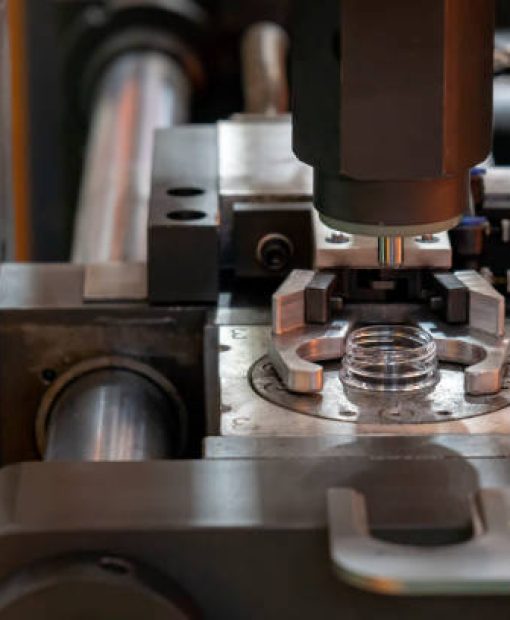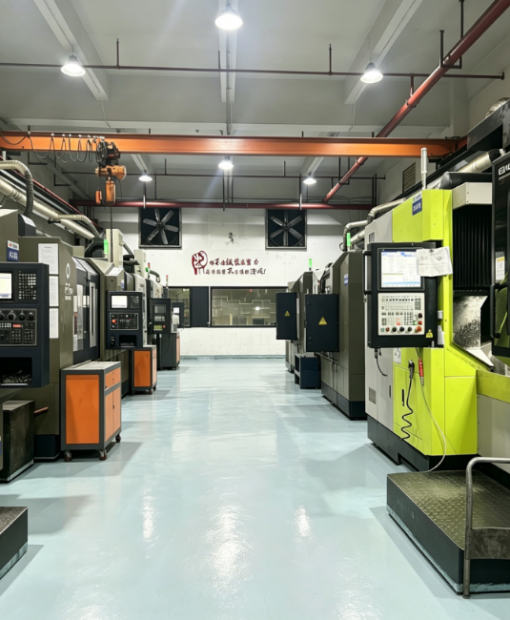


For buyers comparing injection moulding manufacturers, precision starts before steel cutting. Reliable custom injection molds depend on sound product design, suitable materials, controlled machining, and repeatable trials. WISHMOULDS supports projects from design-for-manufacturing analysis through mold validation. As a result, buyers can align tooling decisions with part function, appearance, and production volume.

How Can Injection Mold Manufacturers Prevent Design Problems Early?
Small design oversights can affect part fit, surface finish, and production stability. Therefore, injection moulding manufacturers review part geometry before finalizing the mold structure. WISHMOULDS uses design-for-manufacturing analysis to identify risks around wall thickness, draft angles, gate placement, and parting lines. Engineers then discuss practical adjustments with customers before manufacturing begins.
First, engineers review drawings, material requirements, and critical dimensions. Next, they define the cavity layout, ejection approach, cooling plan, and runner system. For two-color parts or complex shapes, they also assess specialized tooling requirements. Consequently, early coordination can reduce avoidable revisions during sampling.
How Do Precision Mold Manufacturers Maintain Dimensional Accuracy?
Dimensional variation may arise from machining, assembly, material shrinkage, or process settings. Consequently, precision mold manufacturing requires control at multiple stages. WISHMOULDS combines CNC machining, electrical discharge machining, and wire cutting for detailed mold features. Technicians then inspect critical surfaces and align components during mold assembly.
CNC machining creates the main mold geometry. Meanwhile, EDM and wire cutting help produce detailed features and complex profiles. During assembly, technicians check inserts, slides, and other moving components. They then compare measurements against approved drawings and project-specific tolerances.

Which Mold Steel Suits Different Production Requirements?
Material selection affects tooling durability, maintenance, and part requirements. Therefore, injection moulding manufacturers should match steel choice to each application. WISHMOULDS offers H718 and S136 steel options for different project needs. Buyers can evaluate production volume, surface requirements, resin characteristics, and operating conditions before confirming material selection.
The stated mold service life reaches approximately 300,000 to 500,000 or more cycles. However, actual service life depends on resin, processing conditions, maintenance, and mold design. This range helps buyers estimate tooling value and plan production. Nevertheless, manufacturers should validate expectations against the specific project.

How Do Mold Trials Improve Production Consistency?
A finished tool still needs validation under practical production conditions. Accordingly, custom mold solutions include trial molding and follow-up optimization. Engineers review sample dimensions, appearance, filling behavior, and ejection performance. They then adjust suitable mold details or process parameters before final delivery.
First, the team checks trial samples against agreed requirements. Next, engineers identify flash, short shots, warpage, or cosmetic variation. They then apply targeted corrections and repeat inspections where necessary. This process helps customers evaluate part quality before mass production.
Custom Injection Mold Capabilities at a Glance
|
Item |
WISHMOULDS Capability | Buyer Consideration |
|---|---|---|
|
Design support |
DFM analysis and mold design |
Confirm drawings and critical dimensions |
|
Mold types |
Single-color, two-color, and hot runner systems |
Match structure to part design |
|
Machining |
CNC, EDM, and wire cutting |
Review detail and tolerance requirements |
|
Steel options |
H718 and S136 |
Select according to application needs |
|
Stated service life |
Approximately 300,000–500,000+ cycles |
Confirm project-specific expectations |
|
Validation |
Trial molding and mold optimization |
Approve samples before production |
|
Certifications |
Not specified in the supplied information |
Request relevant certificates and inspection records |
For electronics, automotive, appliance, and communication components, requirements vary. Thus, injection moulding manufacturers should define inspection criteria around each component’s function and appearance.
Explore our custom injection mold product categories to review tooling solutions for different component requirements.
How Can Buyers Balance Mold Quality and Cost?
The lowest initial quote may not represent the best overall value. Instead, buyers should assess mold life, maintenance needs, sampling time, and expected production volume. Well-planned custom injection molds can support consistent output and reduce avoidable production interruptions. In addition, clear specifications help both sides manage revisions and acceptance criteria.
WISHMOULDS supports appliance housings, automotive interior parts, electronic enclosures, connectors, and communication accessories. Therefore, customers can discuss cosmetic requirements alongside functional details. Before ordering, confirm steel grade, expected cycle life, spare-part scope, trial criteria, delivery schedule, and after-sales support. These checks make supplier comparisons more useful and transparent.
For further guidance on mold planning and manufacturing considerations, visit our technical guide.
Q&A: What Should Buyers Ask Injection Moulding Manufacturers?
Q: How do injection moulding manufacturers ensure precision?
They combine DFM reviews, controlled machining, accurate assembly, trial molding, and final adjustments. Moreover, they validate samples against agreed requirements before final delivery.
Q: Which steel option should buyers choose?
H718 or S136 selection depends on part requirements, surface expectations, resin, and operating conditions. Therefore, buyers should discuss their application with the mold engineer.
Q: How can B2B buyers evaluate cost-effectiveness?
Review tooling life, production volume, maintenance requirements, quality records, and technical support together. Finally, request a project-specific quotation from WISHMOULDS to assess the full manufacturing value.